Internet Aesthetics and the -core Suffix
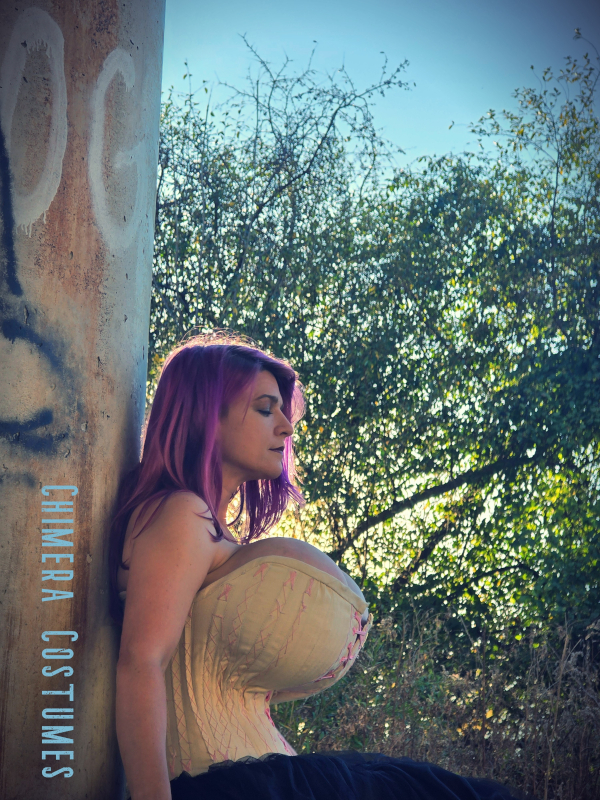
The "-core" suffix for aesthetic communities has been building since the early 2010s, accelerating dramatically through Tumblr, then TikTok, then Instagram. It functions as a shorthand: add "-core" to a noun and you signal a cohesive aesthetic and cultural identity rather than just a visual style. Cottagecore, goblincore, dark academia, fairycore — each names something that existed before the label, but the label creates community around it.
#Boobcore follows this pattern. The aesthetic it describes — anime-influenced, body-positive, craft-focused celebration of the full-busted figure — has existed in cosplay and fashion communities for years. The label creates a gathering point.
The Cosplay Connection
Cosplay has always had an uneasy relationship with body image. On one hand, "cosplay is for everyone" is a widely stated community value. On the other, the lived experience of many large-busted cosplayers includes extensive unsolicited commentary, costume advice that prioritises minimisation, and patterns and tutorials that simply don't account for their measurements.
The #boobcore hashtag emerged from this tension — as a specific counter to the cosplay community's complicated relationship with busty bodies, and as an affirmative space for cosplayers who are tired of being an afterthought in construction guides and pattern instructions.
The Anime Connection
Anime and manga's long tradition of depicting full-busted female characters with celebration rather than apology provides the aesthetic foundation. When you connect that tradition to real craftsmanship — to corsets and custom patterns and convention cosplay — you get #boobcore.
Where It's Going
The hashtag continues to grow across Instagram and TikTok. The community is building shared resources — fitting guides, maker recommendations, construction techniques — that make the aesthetic increasingly accessible. The more people tag, the more visible the community becomes, and the more resources flow back to members.